

























93. Roman V. Yampolskiy. The AI containment problem: How to build an AI prison. iai news. 20th June 2022. https://iai.tv/articles/the-ai-containment-problem-auid-2159?_auid=2020
94. S, R., A sufficiently paranoid non-Friendly AGI might self-modify itself to become Friendly. September 22, 2021: Available at: https://www.lesswrong.com/posts/QNCcbW2jLsmw9xwhG/a-sufficiently-paranoid-non-friendly-agi-might-self-modify.
95. Jenkins, P., Historical simulations-motivational, ethical and legal issues. Journal of Futures Studies, 2006. 11(1): p. 23-42.
96. Cannell, J., Anthropomorphic AI and Sandboxed Virtual Universes. September 3, 2010: Available at: https://www.lesswrong.com/posts/5P6sNqP7N9kSA97ao/anthropomorphic-ai-and-sandboxed-virtual-universes.
97. Trazzi, M. and R.V. Yampolskiy, Artificial Stupidity: Data We Need to Make Machines Our Equals. Patterns, 2020. 1(2): p. 100021.
98. Lanza, R., M. Pavsic, and B. Berman, The grand biocentric design: how life creates reality. 2020: BenBella Books.
99. Johnson, M., Principia Qualia. URL: https://opentheory.net/2016/11/principia-qualia, 2016.
100. Yampolskiy, R.V., On the origin of synthetic life: attribution of output to a particular algorithm. Physica Scripta, 2016. 92(1): p. 013002.
101. Schneider, S., Alien Minds. Science Fiction and Philosophy: From Time Travel to Superintelligence, 2016: p. 225.
102. Bostrom, N., Superintelligence: Paths, dangers, strategies. 2014: Oxford University Press.
103. Turchin, A., et al., Simulation typology and termination risks. arXiv preprint arXiv:1905.05792, 2019.
104. Die, W., Re: escape from simulation. 2004: Available at: http://sl4.org/archive/0403/8360.html.
105. Branwen, G., Simulation Inferences. How small must be the computer simulating the universe? April 15, 2012: Available at: https://www.gwern.net/Simulation-inferences.
106. Minsky, M., Why intelligent aliens will be intelligible. Extraterrestrials, 1985: p. 117-128.
107. Oesterheld, C., Multiverse-wide cooperation via correlated decision making. Foundational Research Institute. https://foundational-research.org/multiverse-wide-cooperation-via-correlated-decision-making, 2017.
108. Hanson, R., How to live in a simulation. Journal of Evolution and Technology, 2001. 7(1).
109. Canonico, L.B., Escaping the Matrix: Plan A for Defeating the Simulation. June 11, 2017: Available at: https://medium.com/@lorenzobarberiscanonico/escaping-the-matrix-plan-a-for-defeating-the-simulation-4a8da489b055.
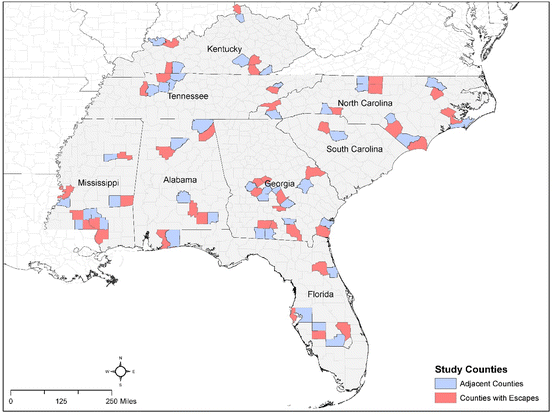
110. Culp, R.F., Frequency and characteristics of prison escapes in the United States: An analysis of national data. The Prison Journal, 2005. 85(3): p. 270-291.
111. Peterson, B.E., Inmate-, incident-, and facility-level factors associated with escapes from custody and violent outcomes. 2015: City University of New York.
112. Peterson, B.E., A. Fera, and J. Mellow, Escapes from correctional custody: A new examination of an old phenomenon. The Prison Journal, 2016. 96(4): p. 511-533.
113. Barnes, M., Why Those 2 Silicon Valley Billionaires Are Wasting Their Time & Money. 2017: Available at: https://vocal.media/futurism/why-those-2-silicon-valley-billionaires-are-wasting-their-time-and-money.
114. Barnes, M., A Participatory Universe Does Not Equal a Simulated One and Why We Live in the Former. 2016: Available at: https://www.academia.edu/30949482/A_Participatory_Universe_Does_Not_Equal_a_Simulated_One_and_Why_We_Live_in_the_Former.
115. Schneier, B. Invited Talk: The Coming AI Hackers. in International Symposium on Cyber Security Cryptography and Machine Learning. 2021. Springer.
116. Moravec, H., The senses have no future, in The Virtual Dimension: Architecture, Representation, and Crash Culture, J. Beckmann, Editor. 1998, Princeton Architectural Press. p. 84-95.
117. Moravec, H., Mind children: The future of robot and human intelligence. 1988: Harvard University Press.
118. Yudkowsky, E., That Alien Message, in Less Wrong. May 22, 2008: Available at: https://www.lesswrong.com/posts/5wMcKNAwB6X4mp9og/that-alien-message.
119. Egan, G., Crystal Nights. G. Egan, Crystal Nights and Other Stories, 2009: p. 39-64.
120. Anonymous, Untitled, in Available at: https://desuarchive.org/tg/thread/30837298/. March 14, 2014.
121. Thumann, M., Hacking SecondLife™. Black Hat Briefings and Training, 2008.
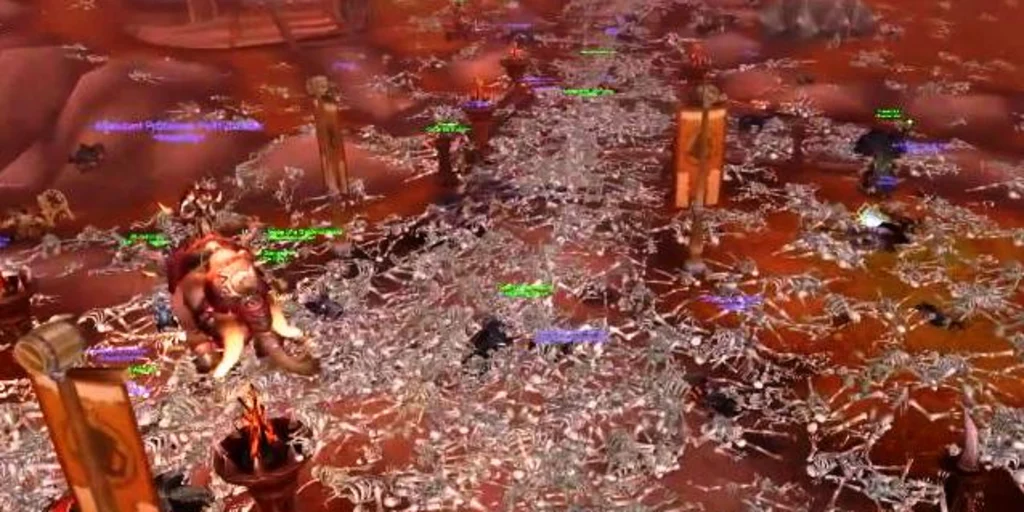
122. Benedetti, W., Hackers slaughter thousands in ‘World of Warcraft’. October 8, 2012: Available at: https://www.nbcnews.com/tech/tech-news/hackers-slaughter-thousands-world-warcraft-flna1c6337604.
123. Hawkins, J., Cyberpunk 2077 money glitch - how to duplicate items. December 17, 2020: Available at: https://www.shacknews.com/article/121994/cyberpunk-2077-money-glitch-how-to-duplicate-items.
124. Grand, J. and A. Yarusso, Game Console Hacking: Xbox, PlayStation, Nintendo, Game Boy, Atari and Sega. 2004: Elsevier.
125. Plunkett, L., New World Disables ‘All Forms Of Wealth Transfers’ After Gold Exploit Found. November 1, 2021: Available at: https://kotaku.com/new-world-disables-all-forms-of-wealth-transfers-after-1847978883.
126. Anonymous, Arbitrary code execution. Accessed on October 26, 2022: Available at: https://bulbapedia.bulbagarden.net/wiki/Arbitrary_code_execution.
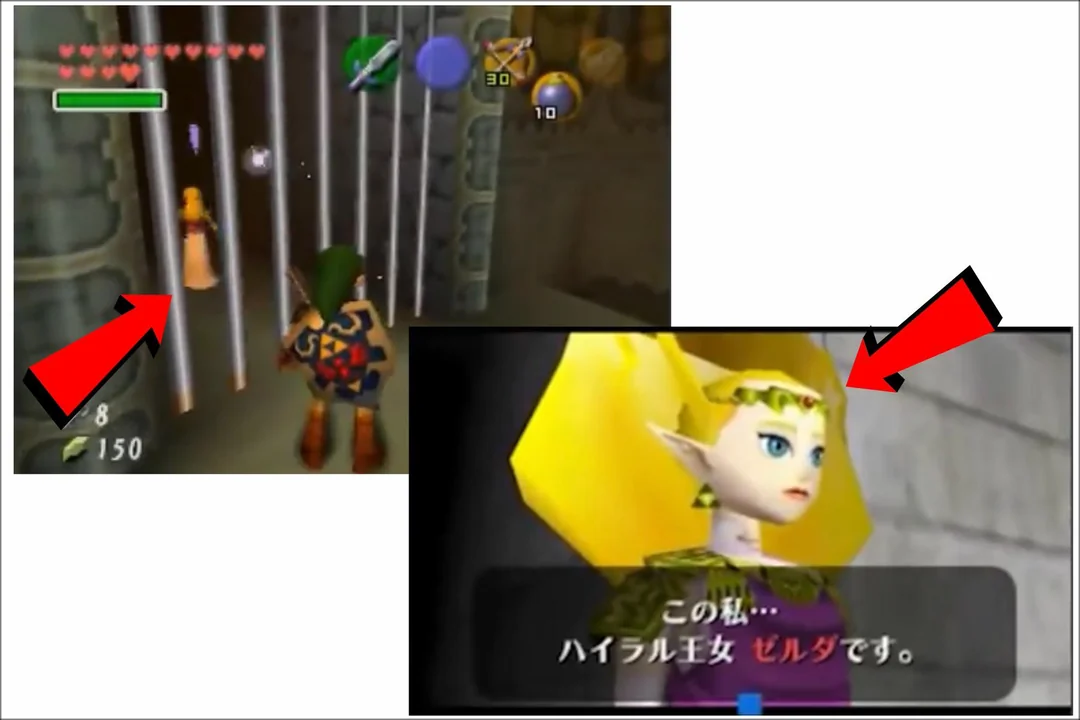
127. Anonymous, [OoT] Arbitrary Code Execution (ACE) is now possible in Ocarina of Time. 2020: Available at: https://www.reddit.com/r/zelda/comments/due41q/oot_arbitrary_code_execution_ace_is_now_possible/.
128. Greenberg, A., Mind the gap: This researcher steals data with noise light and magnets. Wired, 2018.
129. Kim, Y., et al., Flipping bits in memory without accessing them: An experimental study of DRAM disturbance errors. ACM SIGARCH Computer Architecture News, 2014. 42(3): p. 361-372.
130. Goertz, P., How to escape from your sandbox and from your hardware host, in Available at: https://www.lesswrong.com/posts/TwH5jfkuvTatvAKEF/how-to-escape-from-your-sandbox-and-from-your-hardware-host. July 31, 2015.
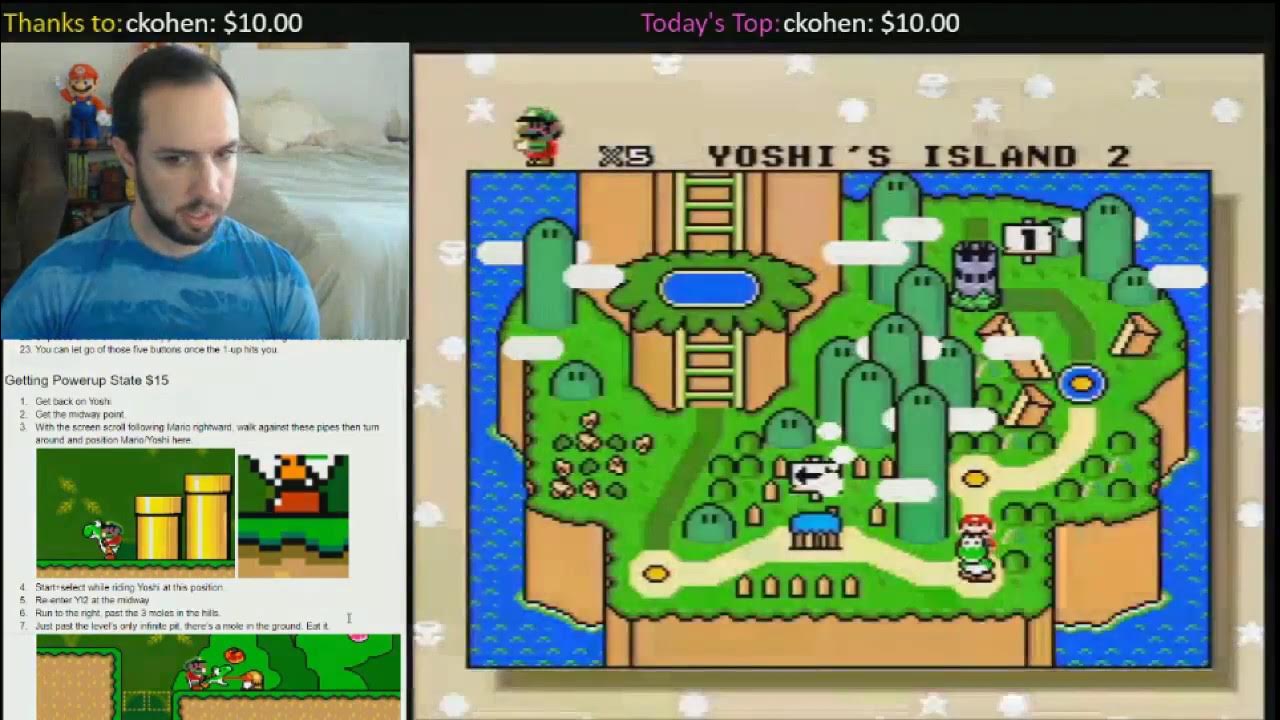
131. SethBling, Jailbreaking Super Mario World to Install a Hex Editor & Mod Loader. May 29, 2017: Available here.
132. Cooprocks123e, Super Mario World Jailbreak Installer. February 7, 2018: Available here.
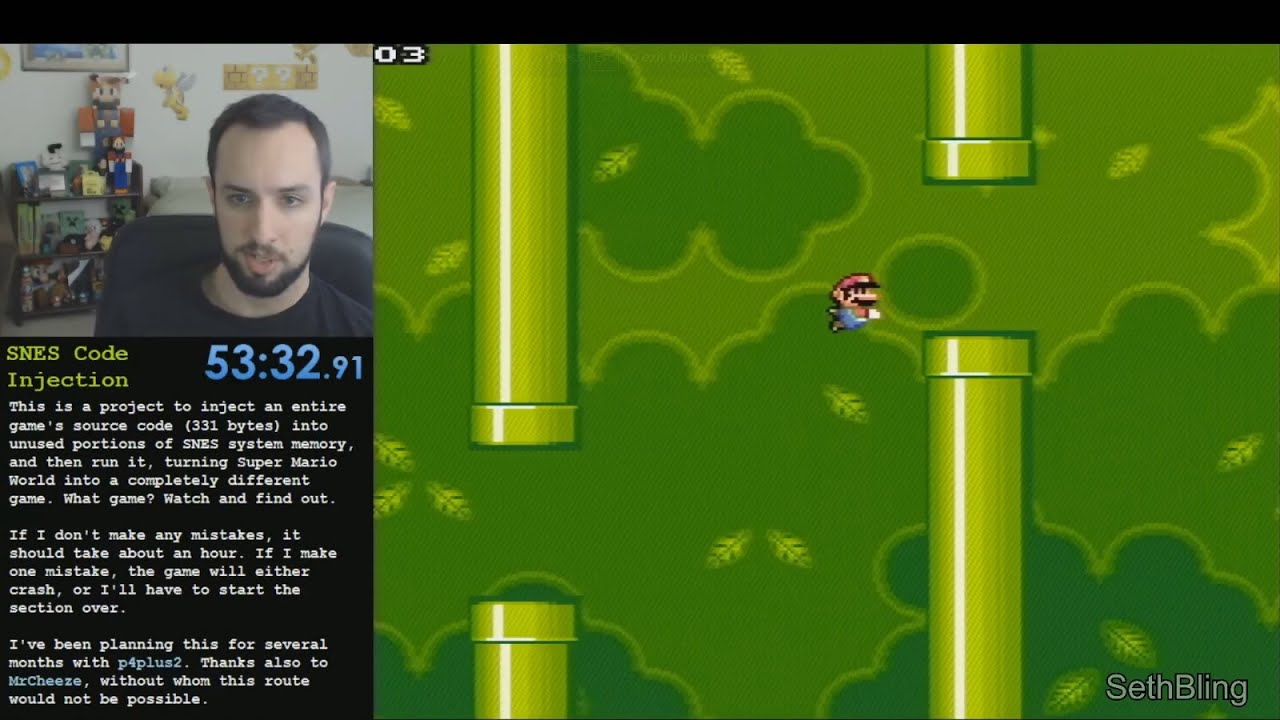
133. SethBling, SNES Code Injection -- Flappy Bird in SMW. March 28, 2016: Available here.
134. Osgood, R., Reprogramming Super Mario World from Inside the Game in Hackaday. January 22, 2015: Available at: https://hackaday.com/2015/01/22/reprogramming-super-mario-world-from-inside-the-game/.
135. Burtt, G., How an Ionizing Particle From Outer Space Helped a Mario Speedrunner Save Time, in The Gamer. September 16, 2020: Available at: https://www.thegamer.com/how-ionizing-particle-outer-space-helped-super-mario-64-speedrunner-save-time/.
136. Anonymous, SethBling, in Wikipedia. Accessed on October 1, 2022: Available at: https://en.wikipedia.org/wiki/SethBling.
137. SethBling, Route Notes: SNES Human Code Injection. March 28, 2016: Available at: https://docs.google.com/document/d/1TJ6W7TI9fH3qXb2GrOqhtDAbVkbIHMvLusX1rTx9lHA.
138. Morgan, M.A., Sepher ha-Razim: The Book of Mysteries. Vol. 25. 2022: SBL Press.
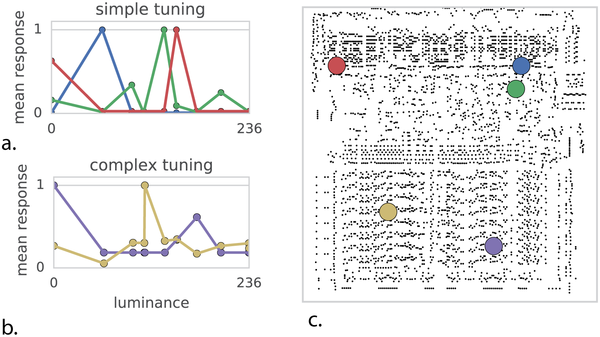
139. Jonas, E. and K.P. Kording, Could a neuroscientist understand a microprocessor? PLoS computational biology, 2017. 13(1): p. e1005268.
140. Gueron, S. and J.-P. Seifert. On the impossibility of detecting virtual machine monitors. in IFIP International Information Security Conference. 2009. Springer.
141. Demirbas, M., Hacking the simulation. April 1, 2019: Available at: http://muratbuffalo.blogspot.com/2019/04/hacking-simulation.html.
142. Canonico, L.B., Escaping the Matrix: Plan B for Defeating the Simulation. June 14, 2017: Available at: https://medium.com/@lorenzobarberiscanonico/escaping-the-matrix-plan-b-for-defeating-the-simulation-dd335988844.
143. Wasserman, R., Paradoxes of time travel. 2017: Oxford University Press.
144. Ford, A., How to Escape the Matrix: Part 1. January 21, 2015: Available at: https://hplusmagazine.com/2012/06/26/how-to-escape-the-matrix-part-1/.
145. Scharf, C.A., Could We Force the Universe to Crash? 2020: Available at: https://www.scientificamerican.com/article/could-we-force-the-universe-to-crash/.
146. Torres, P., Morality, foresight, and human flourishing: An introduction to existential risks. 2017: Pitchstone Publishing (US&CA).
147. Benatar, D., Better never to have been: The harm of coming into existence. 2006: OUP Oxford.
148. Canonico, L.B., Escaping the Matrix: Plan C for Defeating the Simulation. July 30, 2017: Available at: https://medium.com/@lorenzobarberiscanonico/escaping-the-matrix-plan-c-for-defeating-the-simulation-e7d4926d1d57.
149. Chalmers, D., Reality+: Virtual Worlds and the Problems of Philosophy. 2022: W. W. Norton & Company.
150. Lanza, R., in Psychology Today. December 22, 2021: Available at: https://www.psychologytoday.com/us/blog/biocentrism/202112/how-we-collectively-determine-reality.
151. Podolskiy, D., A.O. Barvinsky, and R. Lanza, Parisi-Sourlas-like dimensional reduction of quantum gravity in the presence of observers. Journal of Cosmology and Astroparticle Physics, 2021. 2021(05): p. 048.
152. Wheeler, J.A., The “past” and the “delayed-choice” double-slit experiment, in Mathematical foundations of quantum theory. 1978, Elsevier. p. 9-48.
153. Orwell, G., Nineteen eighty-four. 2021: Hachette UK.
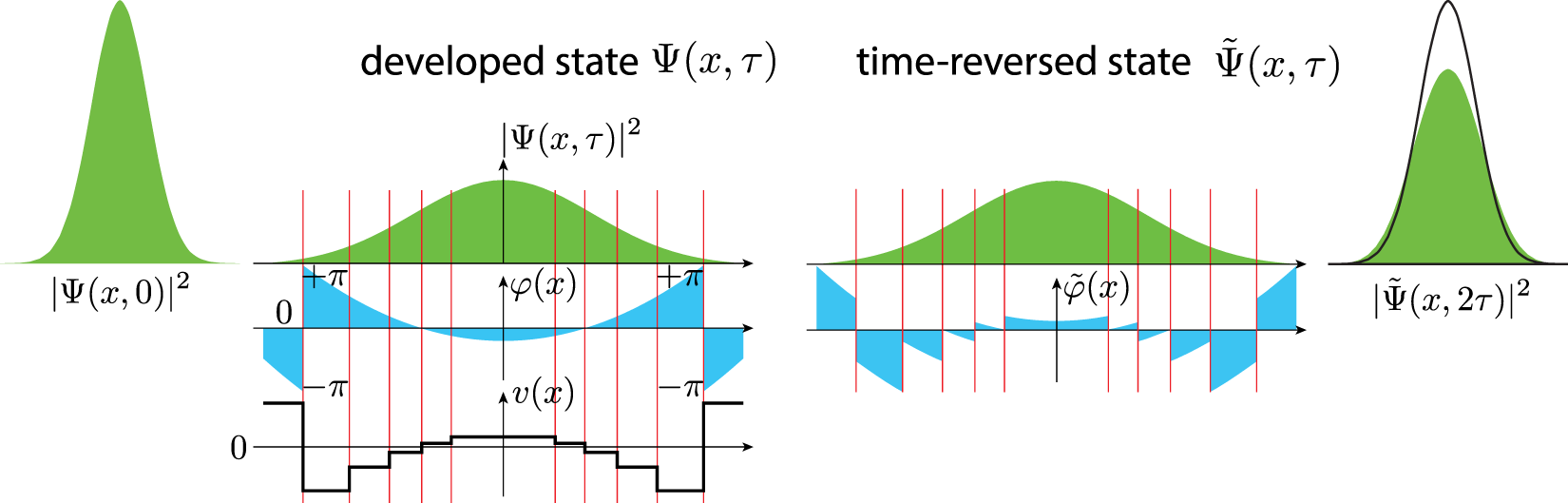
154. Maccone, L., Quantum solution to the arrow-of-time dilemma. Physical review letters, 2009. 103(8): p. 080401.
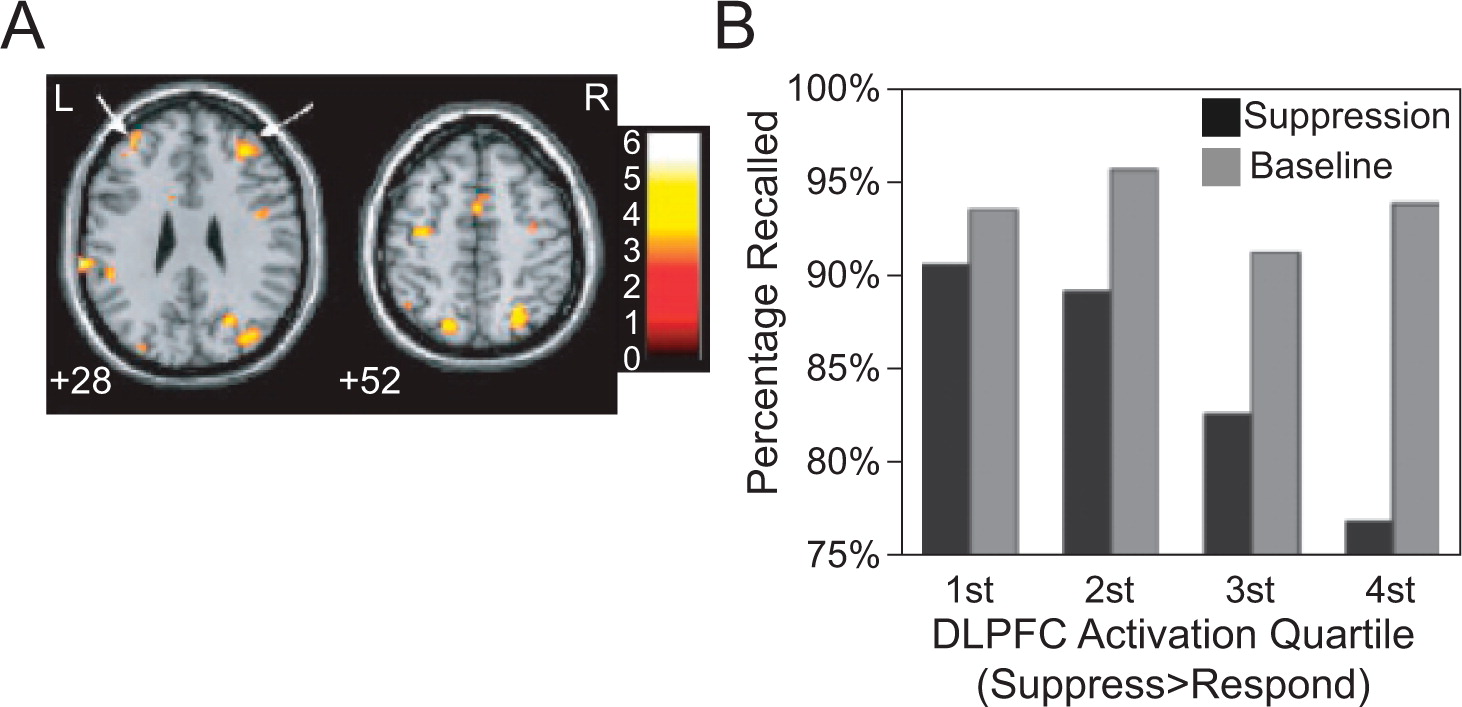
155. Anderson, M.C. and B.J. Levy, Suppressing unwanted memories. Current Directions in Psychological Science, 2009. 18(4): p. 189-194.
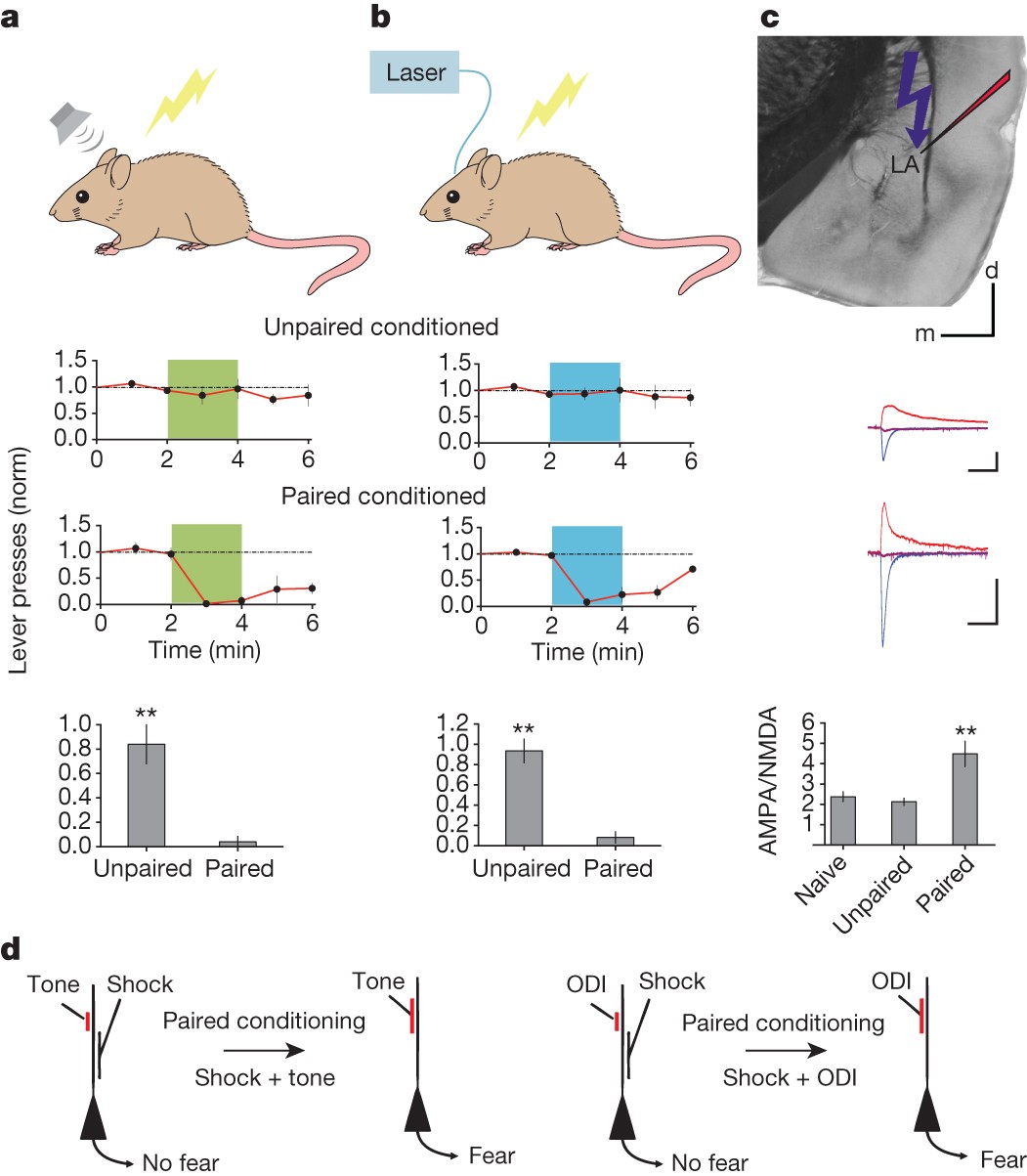
156. Nabavi, S., et al., Engineering a memory with LTD and LTP. Nature, 2014. 511(7509): p. 348-352.
157. Ahire, J., Reality is a Hypothesis. Lulu.com.
158. Alexander, S., The Hour I First Believed. April 1, 2018: Available at: https://slatestarcodex.com/2018/04/01/the-hour-i-first-believed/.
159. Armstrong, S., The AI in a Box Boxes You, in Less Wrong. February 2, 2010: Available at: http://lesswrong.com/lw/1pz/the_ai_in_a_box_boxes_you/.
160. Bibeau-Delisle, A. and G. Brassard FRS, Probability and consequences of living inside a computer simulation. Proceedings of the Royal Society A, 2021. 477(2247): p. 20200658.
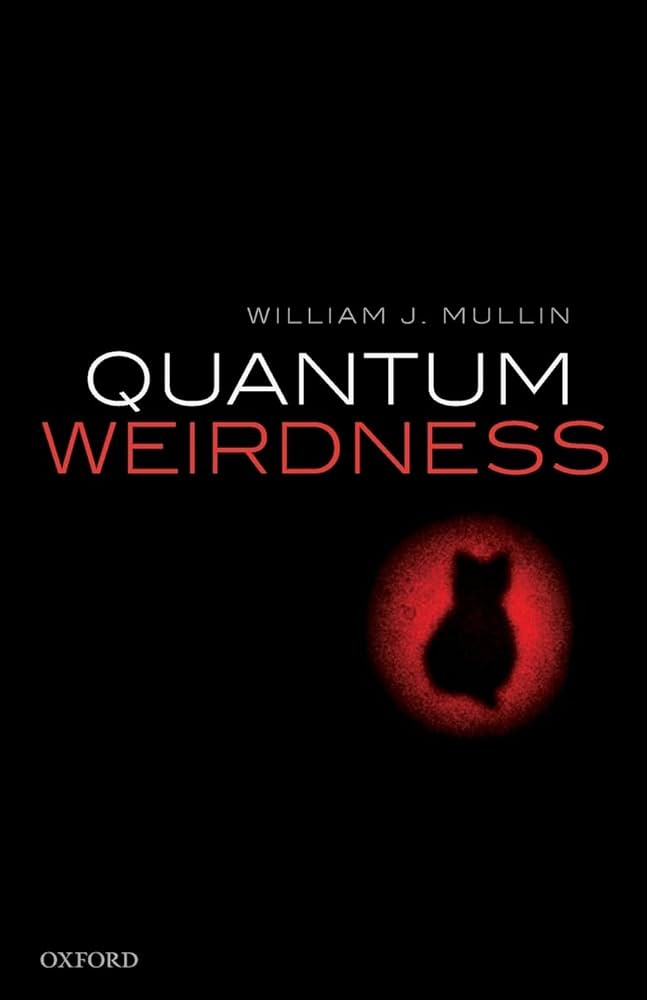
161. Mullin, W.J., Quantum weirdness. 2017: Oxford University Press.
162. Turchin, A. and R. Yampolskiy, Glitch in the Matrix: Urban Legend or Evidence of the Simulation? 2019: Available at: https://philpapers.org/archive/TURGIT.docx.
163. Baclawski, K. The observer effect. in 2018 IEEE Conference on Cognitive and Computational Aspects of Situation Management (CogSIMA). 2018. IEEE.
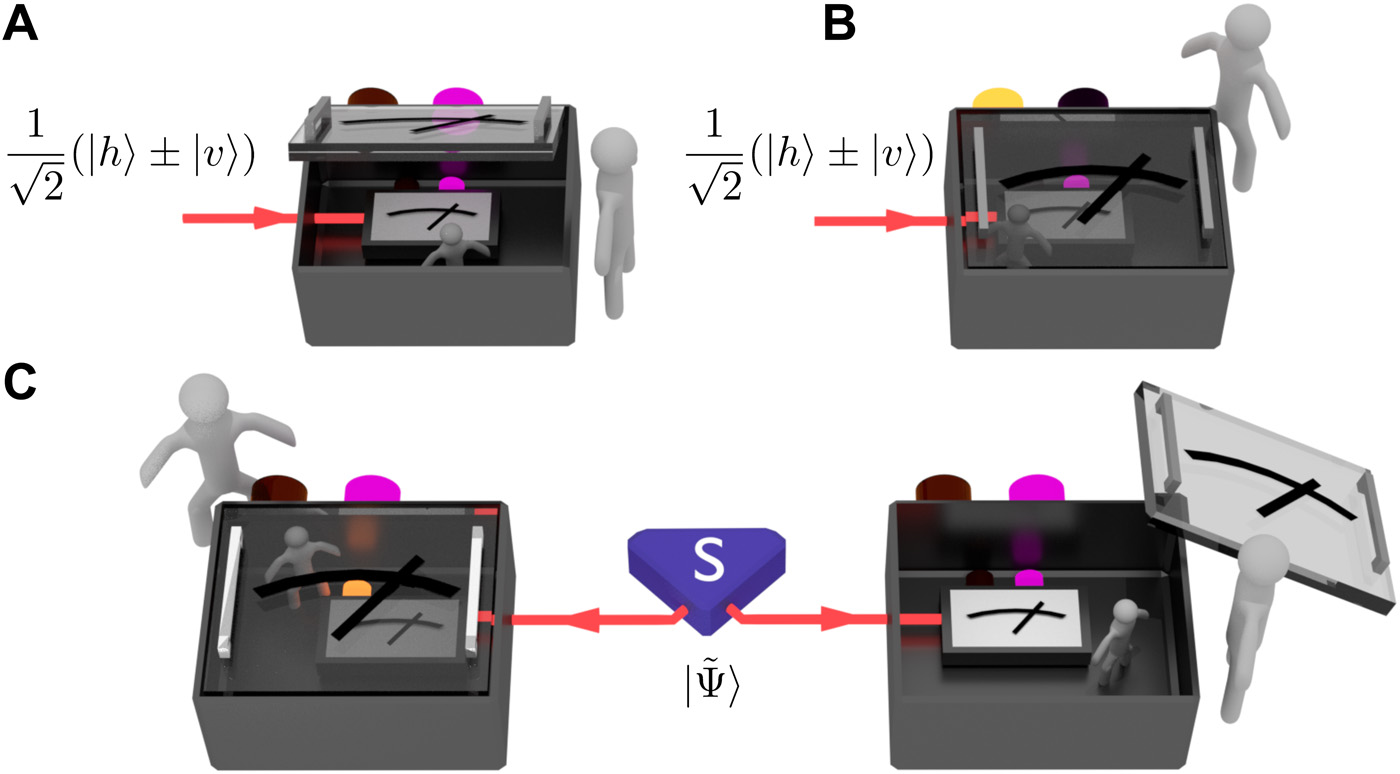
164. Proietti, M., et al., Experimental test of local observer independence. Science advances, 2019. 5(9).
165. Bong, K.-W., et al., A strong no-go theorem on the Wigner’s friend paradox. Nature Physics, 2020. 16(12): p. 1199-1205.
166. Lloyd, S., Programming the universe: a quantum computer scientist takes on the cosmos. 2007: Vintage.
167. Majot, A. and R. Yampolskiy, Global Catastrophic Risk and Security Implications of Quantum Computers. Futures, 2015.
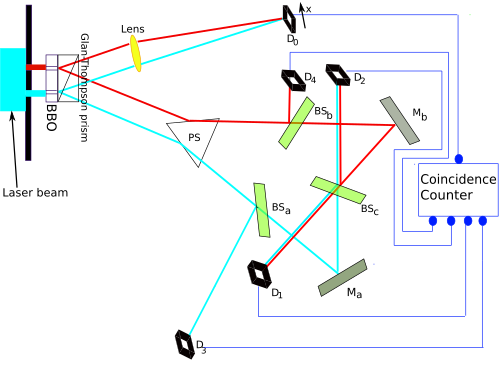
168. Kim, Y.-H., et al., Delayed “choice” quantum eraser. Physical Review Letters, 2000. 84(1): p. 1.
169. Schrödinger, E., Die gegenwärtige Situation in der Quantenmechanik. Naturwissenschaften, 1935. 23(50): p. 844-849.
170. Cao, Y., et al., Direct counterfactual communication via quantum Zeno effect. Proceedings of the National Academy of Sciences, 2017. 114(19): p. 4920-4925.
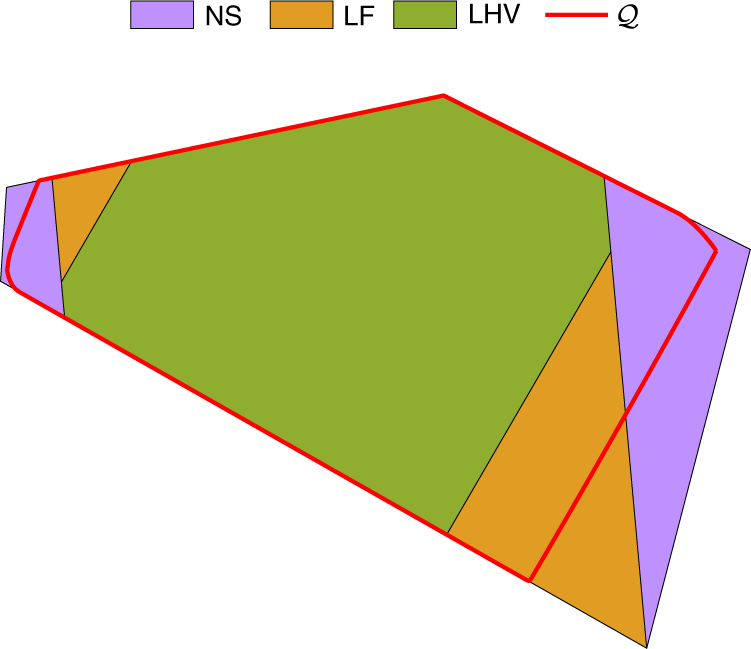
171. Gallego, M. and B. Dakić, Macroscopically nonlocal quantum correlations. Physical Review Letters, 2021. 127(12): p. 120401.
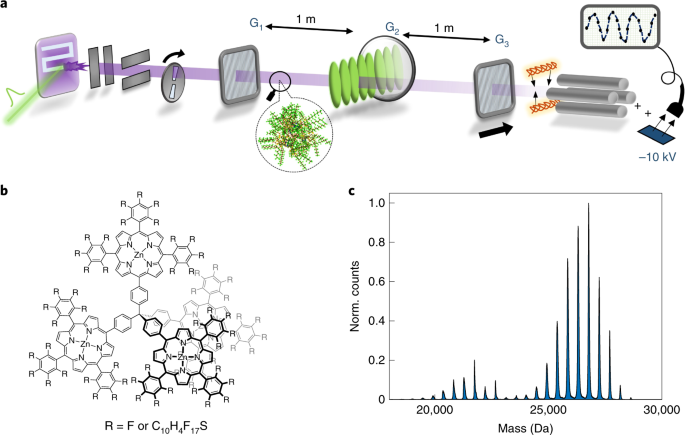
172. Fein, Y.Y., et al., Quantum superposition of molecules beyond 25 kDa. Nature Physics, 2019. 15(12): p. 1242-1245.
173. Krenn, M., et al., Automated search for new quantum experiments. Physical review letters, 2016. 116(9): p. 090405.
174. Alexander, G., et al., The sounds of science—a symphony for many instruments and voices. Physica Scripta, 2020. 95(6): p. 062501.
175. Wiseman, H.M., E.G. Cavalcanti, and E.G. Rieffel, A” thoughtful” Local Friendliness no-go theorem: a prospective experiment with new assumptions to suit. arXiv preprint arXiv:2209.08491, 2022.
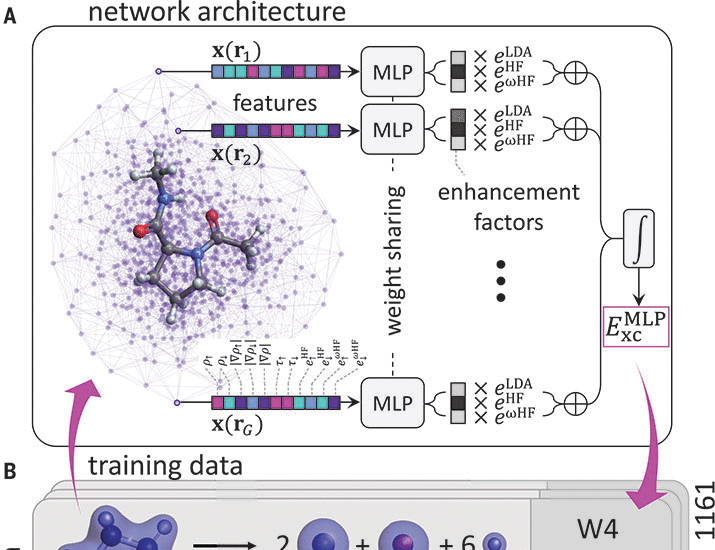
176. Kirkpatrick, J., et al., Pushing the frontiers of density functionals by solving the fractional electron problem. Science, 2021. 374(6573): p. 1385-1389.
177. Yampolskiy, R.V. Analysis of types of self-improving software. in International Conference on Artificial General Intelligence. 2015. Springer.
178. Anonymous, Breaking out of a simulated world. April 11, 2021: Available at: https://worldbuilding.stackexchange.com/questions/200532/breaking-out-of-a-simulated-world.
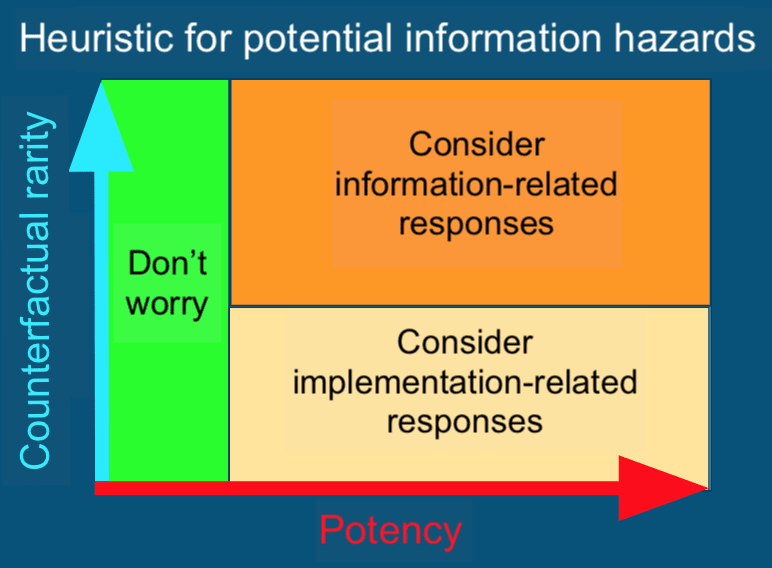
179. Bostrom, N., Information Hazards: A Typology of Potential Harms From Knowledge. Review of Contemporary Philosophy, 2011. 10: p. 44-79.
180. Bruere, D., The Simulation Argument — Jailbreak! February 9, 2019: Available at: https://dirkbruere.medium.com/the-simulation-argument-jailbreak-a61bd57d5bd7.
181. Baggili, I. and V. Behzadan, Founding The Domain of AI Forensics. arXiv preprint arXiv:1912.06497, 2019.
182. Schneider, J. and F. Breitinger, AI Forensics: Did the Artificial Intelligence System Do It? Why? arXiv preprint arXiv:2005.13635, 2020.
183. Ziesche, S. and R. Yampolskiy, Designometry–Formalization of Artifacts and Methods. Available at: https://philarchive.org/archive/ZIEDF.
184. Ziesche, S. and R. Yampolskiy, Towards AI welfare science and policies. Big Data and Cognitive Computing, 2018. 3(1): p. 2.
185. Yampolskiy, R.V., AI Personhood: Rights and Laws, in Machine Law, Ethics, and Morality in the Age of Artificial Intelligence. 2021, IGI Global. p. 1-11.
186. Moravec, H., Simulation, consciousness, existence. Intercommunication, 1999. 28.
187. Yampolskiy, R.V., Leakproofing Singularity - Artificial Intelligence Confinement Problem. Journal of Consciousness Studies (JCS), 2012. 19(1-2): p. 194–214.
188. Turchin, A., Catching Treacherous Turn: A Model of the Multilevel AI Boxing. 2021: Available at: https://www.researchgate.net/profile/AlexeyTurchin/publication/352569372_Catching_Treacherous_Turn_A_Model_of_the_Multilevel_AI_BOXing.