






1. Moravec, H., Pigs in cyberspace. NASA. Lewis Research Center, Vision 21: Interdisciplinary Science and Engineering in the Era of Cyberspace, 1993.
2. Tipler, F.J., The physics of immortality: Modern cosmology, god and the resurrection of the dead. 1997: Anchor.
3. Bostrom, N., Are You Living In a Computer Simulation? Philosophical Quarterly, 2003. 53(211): p. 243-255.
4. Rhodes, R., A Cybernetic Interpretation of Quantum Mechanics. 2001: Available at: http://www.bottomlayer.com/bottom/argument/Argument4.html.
5. Fredkin, E., A new cosmogony. 1992, Department of Physics, Boston University: Available at: http://www.digitalphilosophy.org/wp-content/uploads/2015/07/new_cosmogony.pdf.
6. Beane, S.R., Z. Davoudi, and M. J Savage, Constraints on the Universe as a Numerical Simulation. The European Physical Journal A, 2014. 50(9): p. 1-9.
7. Campbell, T., et al., On testing the simulation theory. arXiv preprint arXiv:1703.00058, 2017.
8. Ratner, P., Physicist creates AI algorithm that may prove reality is a simulation. March 1, 2021: Available at: https://bigthink.com/the-future/physicist-creates-ai-algorithm-prove-reality-simulation/.
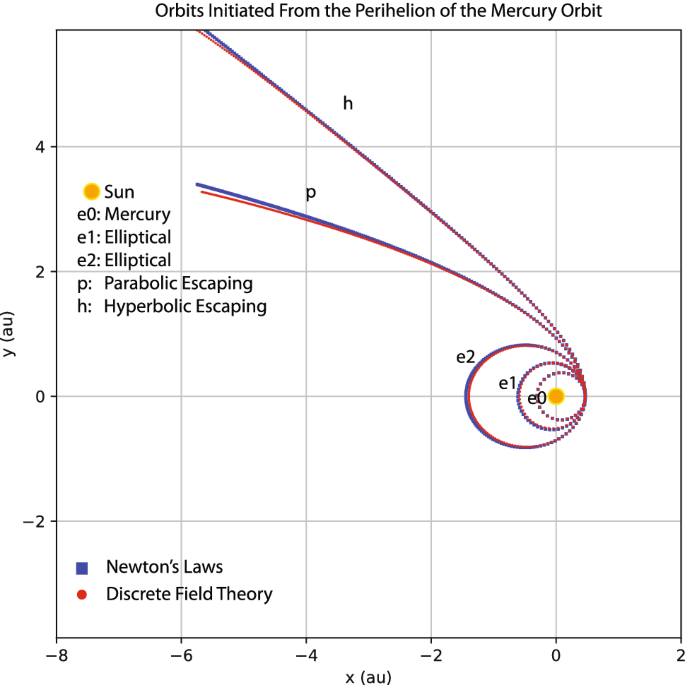
9. Qin, H., Machine learning and serving of discrete field theories. Scientific Reports, 2020. 10(1): p. 1-15.
10. Felton, J., Physicists Have A Kickstarter To Test Whether We Are Living In A Simulation. September 10, 2021: Available at: https://www.iflscience.com/physicists-have-a-kickstarter-to-test-whether-we-are-living-in-a-simulation-60878.
11. McCabe, G., Universe creation on a computer. Studies In History and Philosophy of Science Part B: Studies In History and Philosophy of Modern Physics, 2005. 36(4): p. 591-625.
12. Mitchell, J.B., We are probably not Sims. Science and Christian Belief, 2020.
13. Discenza, D., Can We Prove the World Isn’t a Simulation? January 26, 2022: Available at: https://nautil.us/can-we-prove-the-world-isnt-a-simulation-238416/.
14. Kurzweil, R., Ask Ray | Experiment to find out if we’re being simulated. June 1, 2013: Available at: https://www.kurzweilai.net/ask-ray-experiment-to-find-out-if-were-being-simulated.
15. Bostrom, N., The simulation argument: Reply to Weatherson. The Philosophical Quarterly, 2005. 55(218): p. 90-97.
16. Bostrom, N., The simulation argument: Some explanations. Analysis, 2009. 69(3): p. 458-461.
17. Whitworth, B., The physical world as a virtual reality. arXiv preprint arXiv:0801.0337, 2008.
18. Garrett, S., Simulation Theory Debunked. December 3, 2021: Available at: https://transcendentphilos.wixsite.com/website/forum/transcendent-discussion/simulation-theory-debunked.
19. Yampolskiy, R.V., On the Controllability of Artificial Intelligence: An Analysis of Limitations. Journal of Cyber Security and Mobility, 2022: p. 321–404-321–404.
20. Brcic, M. and R.V. Yampolskiy, Impossibility Results in AI: A Survey. arXiv preprint arXiv:2109.00484, 2021.
21. Williams, R. and R. Yampolskiy, Understanding and Avoiding AI Failures: A Practical Guide. Philosophies, 2021. 6(3): p. 53.
22. Howe, W. and R. Yampolskiy. Impossibility of Unambiguous Communication as a Source of Failure in AI Systems. in AISafety@ IJCAI. 2021.
23. Yampolskiy, R.V., Unexplainability and Incomprehensibility of AI. Journal of Artificial Intelligence and Consciousness, 2020. 7(2): p. 277-291.
24. Yampolskiy, R.V., Unpredictability of AI: On the Impossibility of Accurately Predicting All Actions of a Smarter Agent. Journal of Artificial Intelligence and Consciousness, 2020. 7(1): p. 109-118.
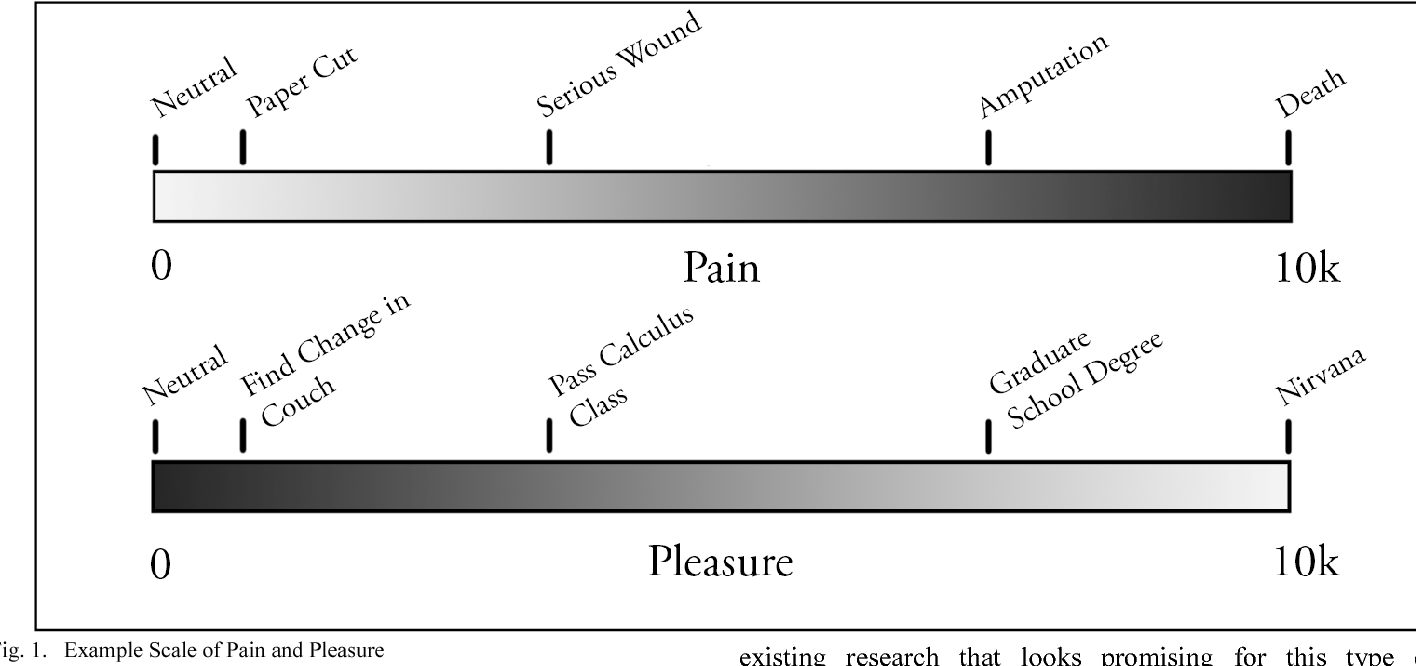
25. Majot, A.M. and R.V. Yampolskiy. AI safety engineering through introduction of self-reference into felicific calculus via artificial pain and pleasure. in Ethics in Science, Technology and Engineering, 2014 IEEE International Symposium on. 2014. IEEE.
26. Dai, W., Beyond Astronomical Waste. June 7, 2018: Available at: https://www.lesswrong.com/posts/Qz6w4GYZpgeDp6ATB/beyond-astronomical-waste.
27. Omohundro, S.M., The Basic AI Drives, in Proceedings of the First AGI Conference, Volume 171, Frontiers in Artificial Intelligence and Applications, P. Wang, B. Goertzel, and S. Franklin (eds.). February 2008, IOS Press.
28. Dai, W., Escape from simulation. March 27, 2004: Available at: http://sl4.org/archive/0403/8342.html.
29. Faggella, D., Substrate Monopoly – The Future of Power in a Virtual and Intelligent World. August 17, 2018: Available at: https://danfaggella.com/substrate-monopoly/.
30. Yampolskiy, R.V. AGI Control Theory. in International Conference on Artificial General Intelligence. 2021. Springer.
31. Yampolskiy, R., On controllability of artificial intelligence, in IJCAI-21 Workshop on Artificial Intelligence Safety (AISafety2021). 2020.
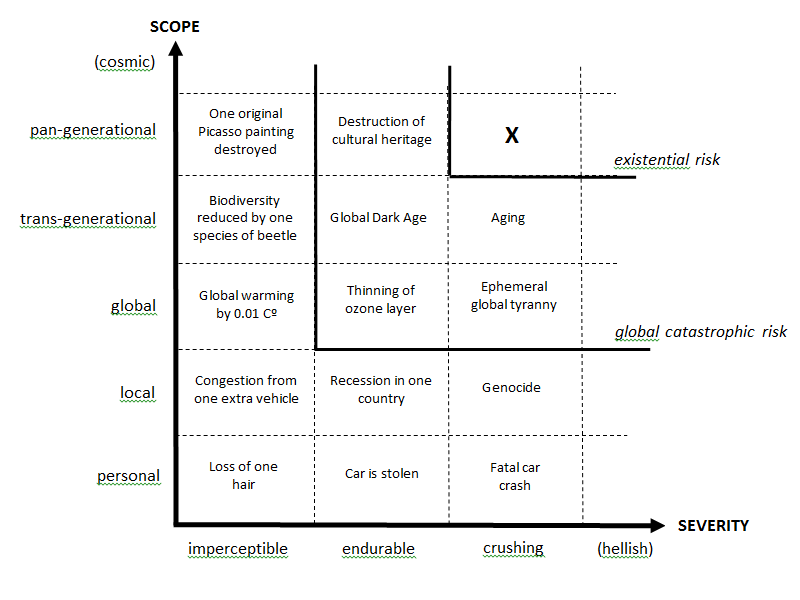
32. Bostrom, N., Existential risks: Analyzing human extinction scenarios and related hazards. Journal of Evolution and Technology, 2002. 9.
33. MacAskill, W., Doing good better: Effective altruism and a radical new way to make a difference. 2015: Guardian Faber Publishing.
34. Pearce, D., Hedonistic imperative. 1995: David Pearce.
35. Wiesel, E., The Trial of God:(as it was held on February 25, 1649, in Shamgorod). 2013: Schocken.
36. Ziesche, S. and R. Yampolskiy. Introducing the concept of ikigai to the ethics of AI and of human enhancements. in 2020 IEEE International Conference on Artificial Intelligence and Virtual Reality (AIVR). 2020. IEEE.
37. Yampolskiy, R.V. Human Computer Interaction Based Intrusion Detection. in 4th International Conference on Information Technology: New Generations (ITNG 2007). 2007. Las Vegas, Nevada, USA.
38. Yampolskiy, R.V. and V. Govindaraju, Computer security: a survey of methods and systems. Journal of Computer Science, 2007. 3(7): p. 478-486.
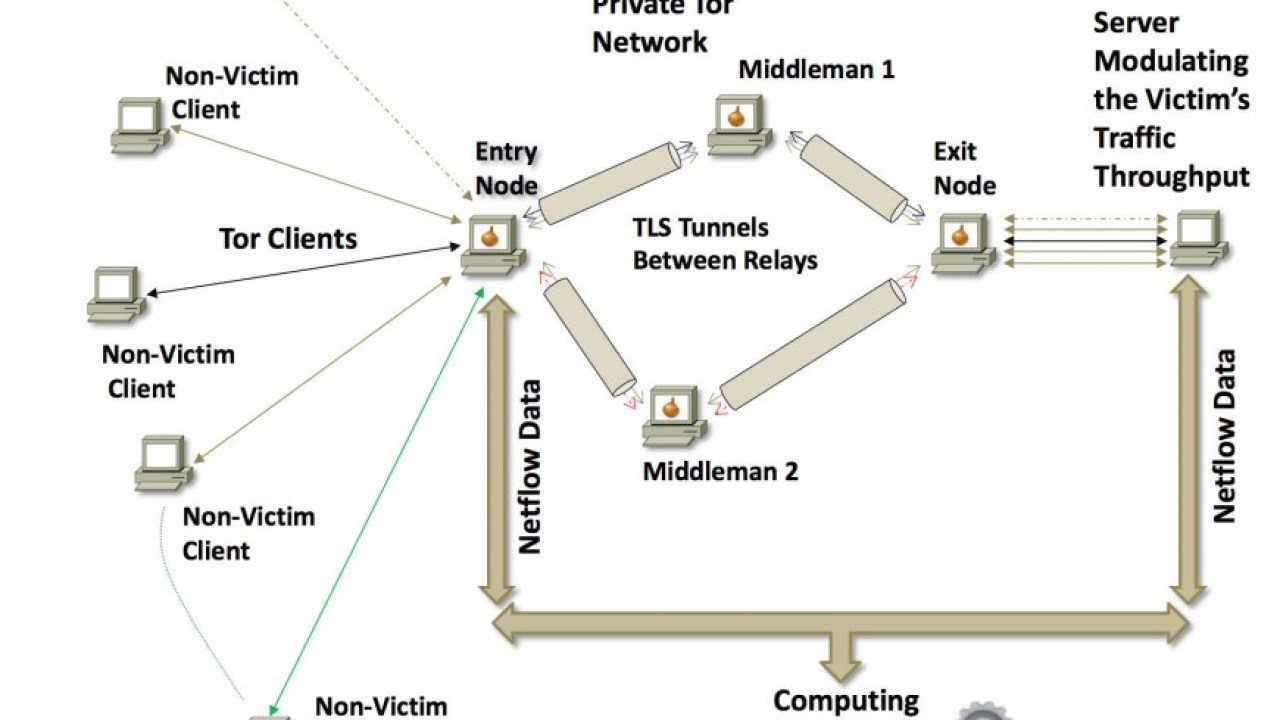
39. Novikov, D., R.V. Yampolskiy, and L. Reznik, Traffic Analysis Based Identification of Attacks. Int. J. Comput. Sci. Appl., 2008. 5(2): p. 69-88.
40. Staff, G., If the Universe is a Simulation, Can We Hack It? November 20, 2019: Available at: https://www.gaia.com/article/universe-is-a-simulation-can-we-hack-it.
41. Kagan, S., Is DMT the chemical code that allows us to exit the Cosmic Simulation?, Available at: https://www.grayscott.com/seriouswonder-//dmt-and-the-simulation-guest-article-by-stephen-kagan. July 25, 2018.
42. McCormack, J., Are we being farmed by alien insect DMT entities ? October 16, 2021: Available at: https://jonathanmccormack.medium.com/are-we-being-farmed-by-alien-insect-dmt-entities-6acda0a11cce.
43. Woolfe, S., DMT and the Simulation Hypothesis. February 4, 2020: Available at: https://www.samwoolfe.com/2020/02/dmt-simulation-hypothesis.html.
44. Edge, E., Breaking into the Simulated Universe. October 30, 2016: Available at: https://archive.ieet.org/articles/Edge20161030.html.
45. Edge, E., 3 Essays on Virtual Reality: Overlords, Civilization, and Escape. 2017: CreateSpace Independent Publishing Platform.
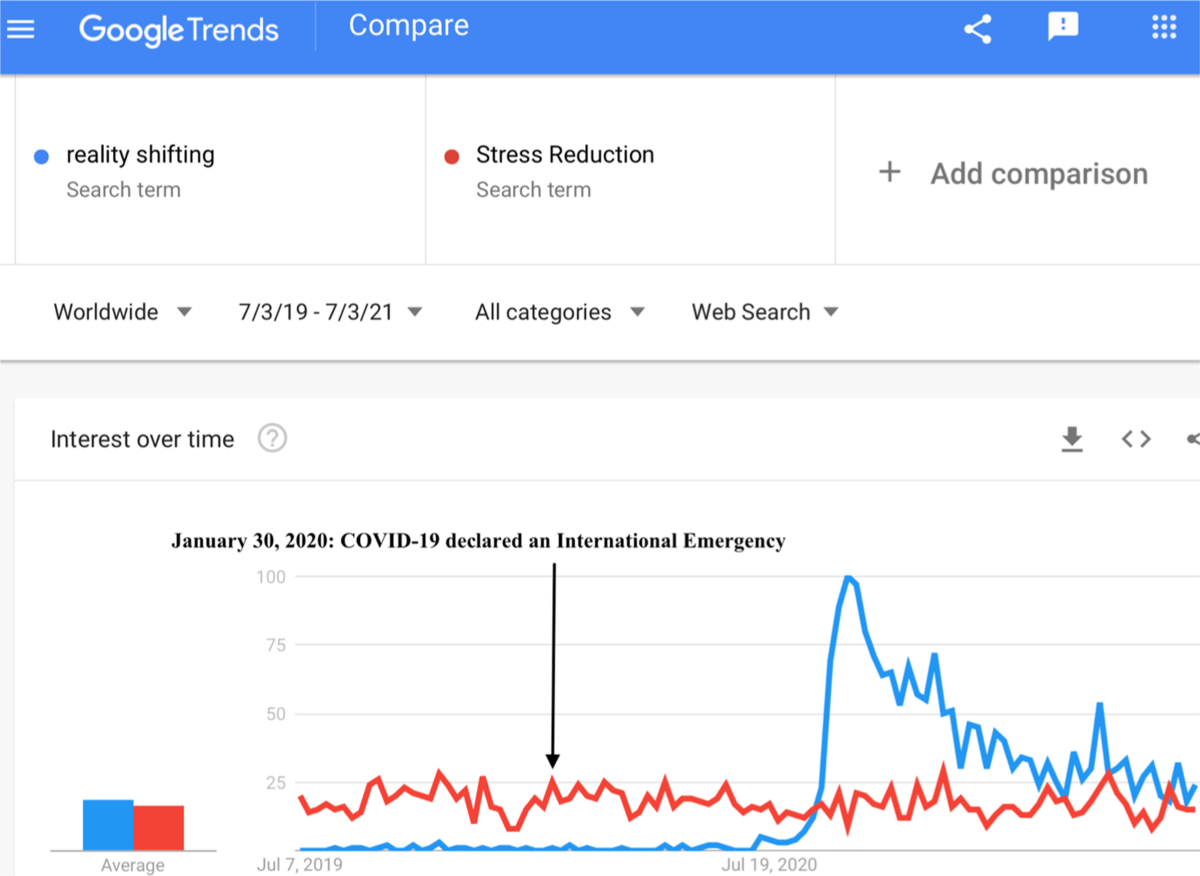
46. Somer, E., et al., Reality shifting: psychological features of an emergent online daydreaming culture. Current Psychology, 2021: p. 1-13.
47. Ellison, H., I have no mouth & I must scream: Stories. Vol. 1. 2014: Open Road Media.
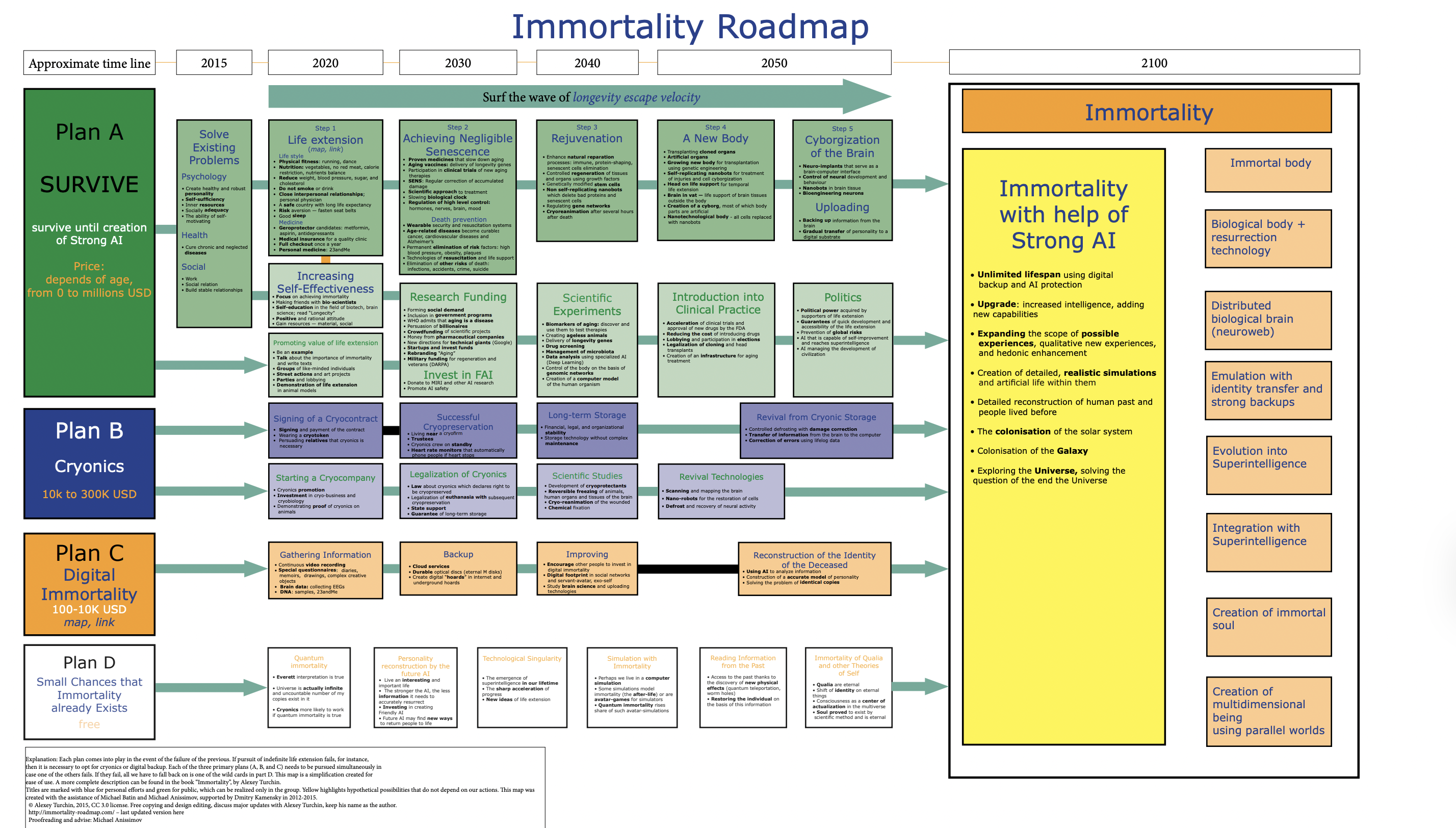
48. Turchin, A., How to Survive the End of the Universe. 2015: Available at: http://immortalityroadmap.com/unideatheng.pdf.
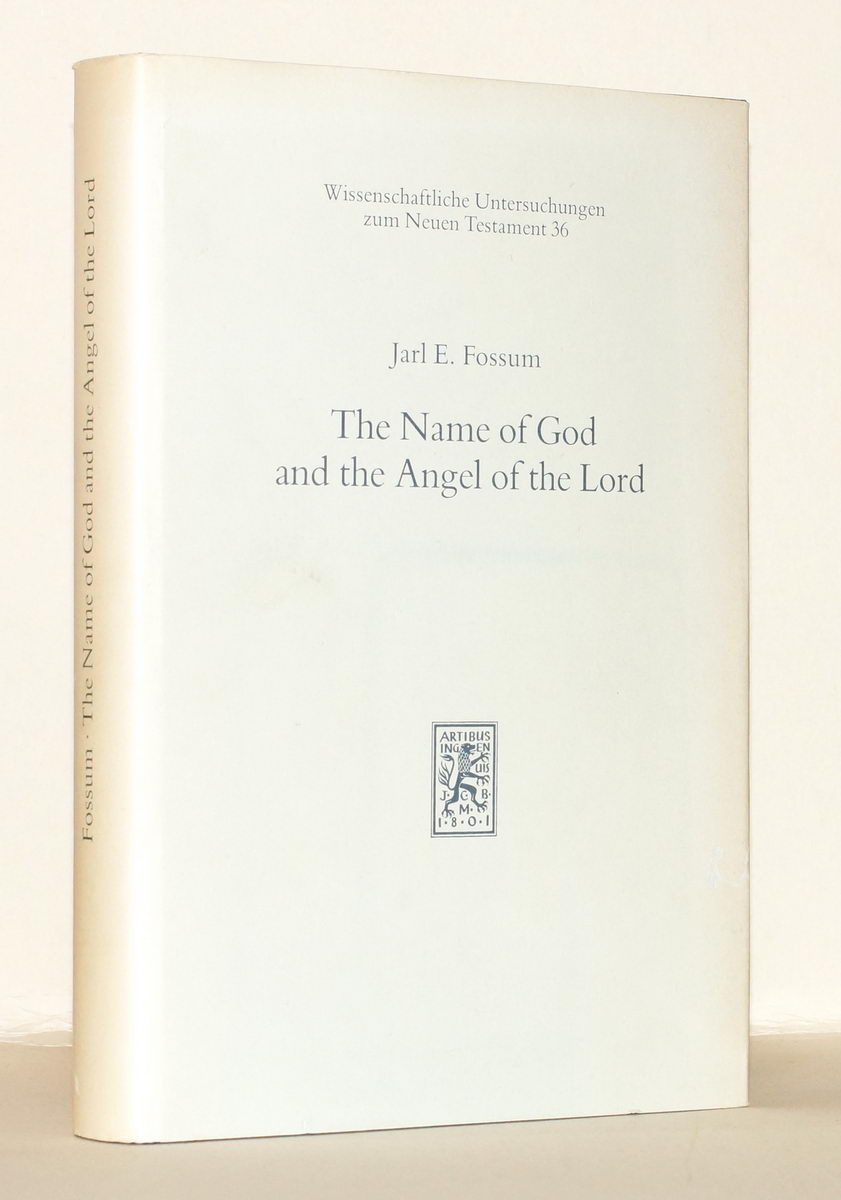
49. Fossum, J.E., The Name of God and the Angel of the Lord: Samaritan and Jewish Concepts of Intermediation and the Origin of Gnosticism. 1985: Mohr.
50. Alexander, S., Unsong. 2017.
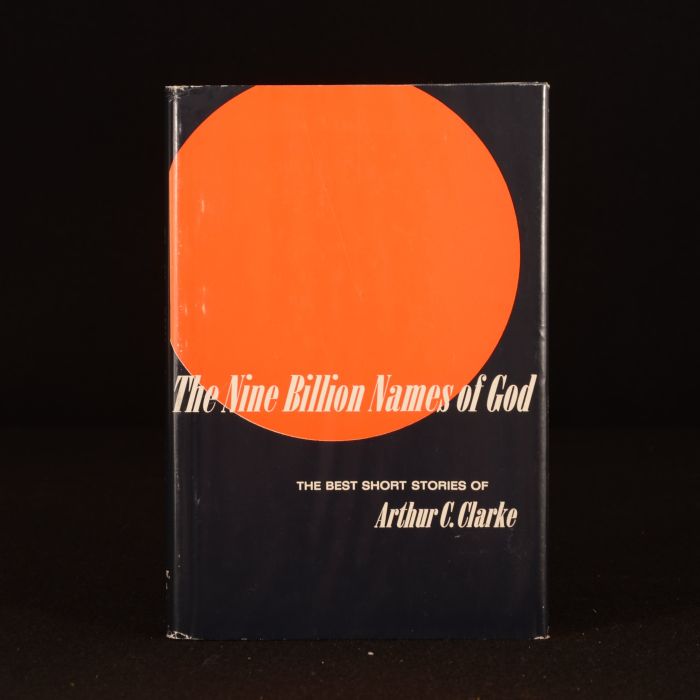
51. Clarke, A.C., Nine Billion Names of God. 1967: Harcourt.
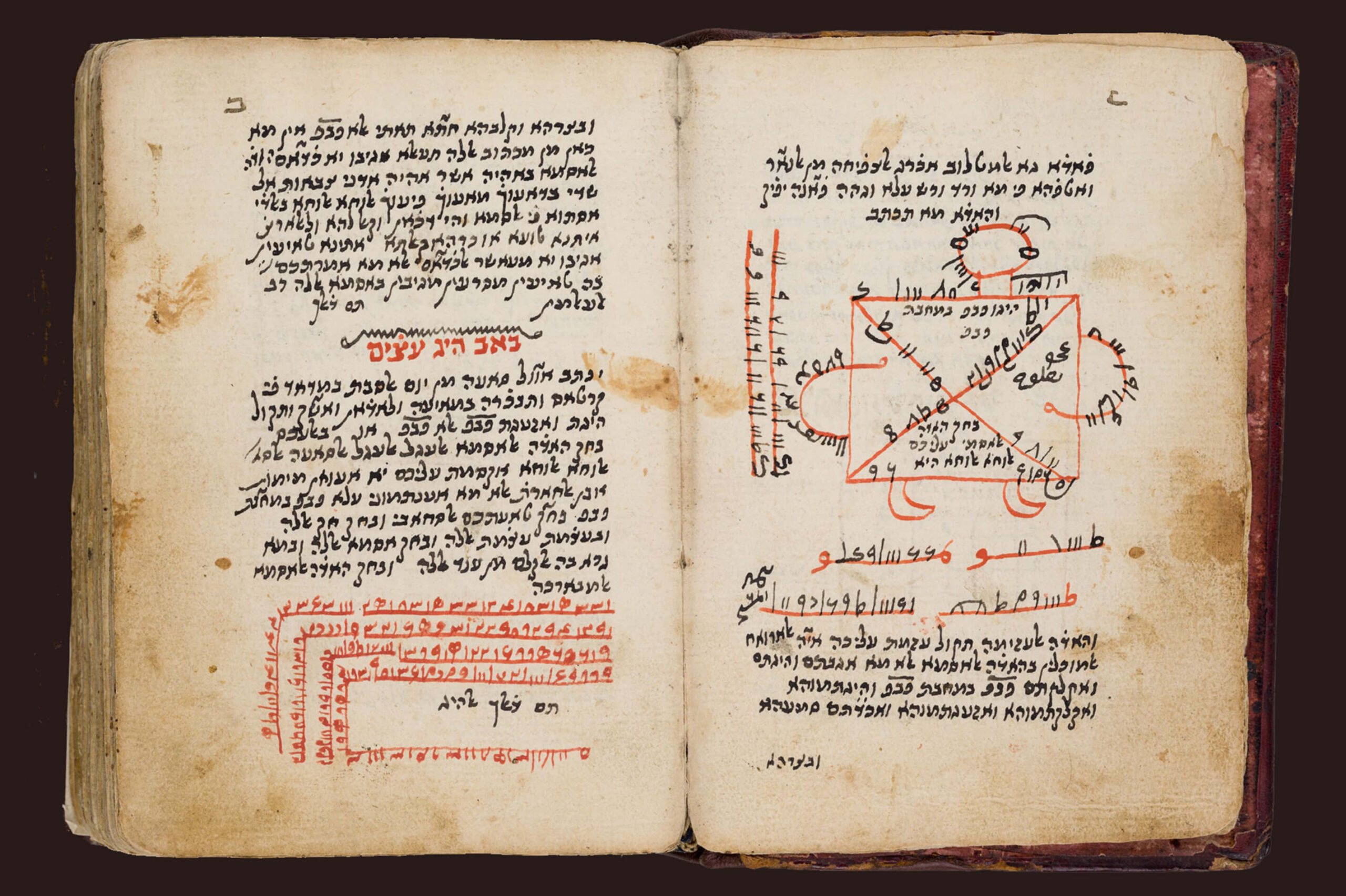
52. Morgan, M.A., Sepher ha-razim. The book of the mysteries. 1983: Scholars Press.
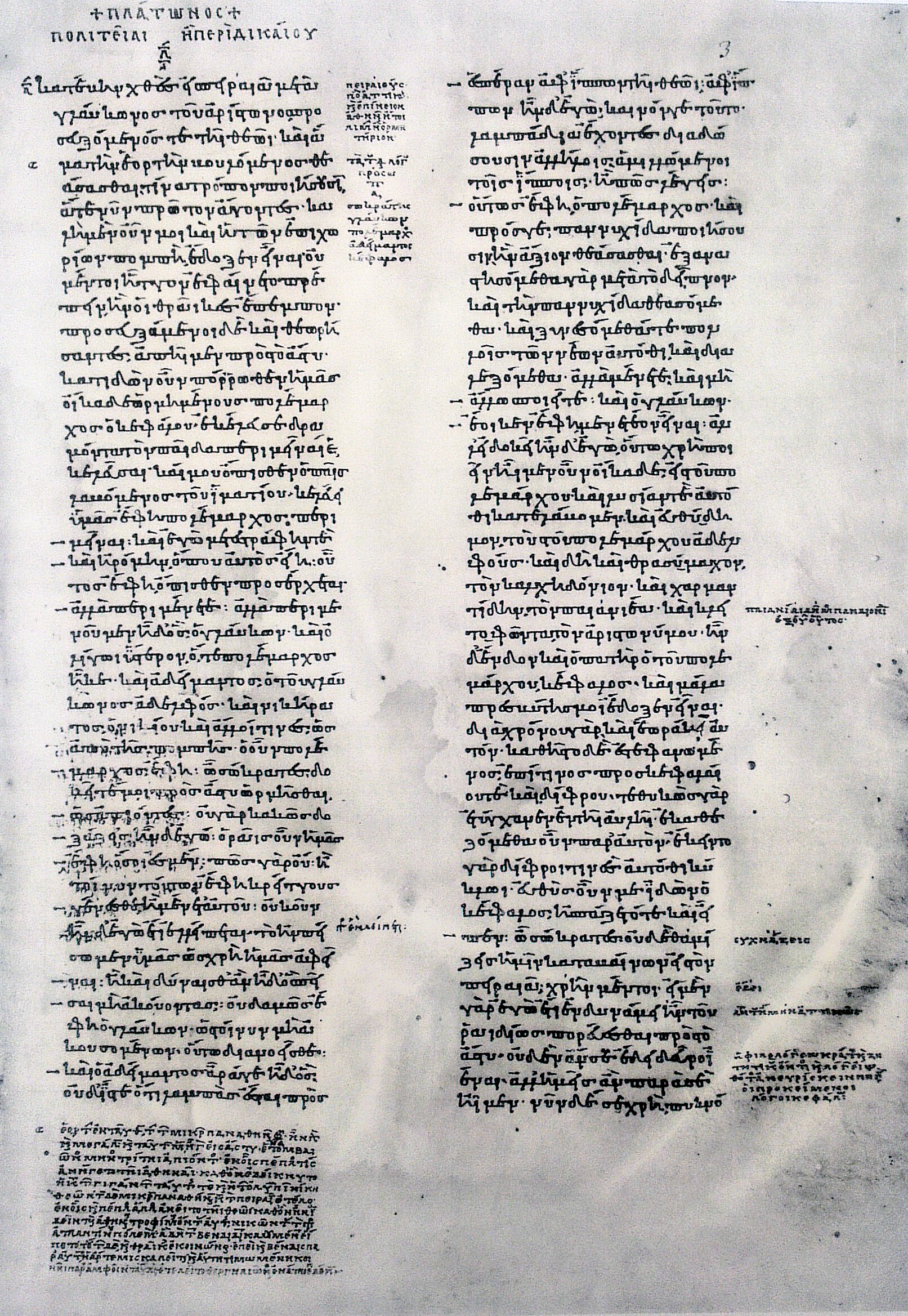
53. Plato, Republic. 1961: Princeton University Press.
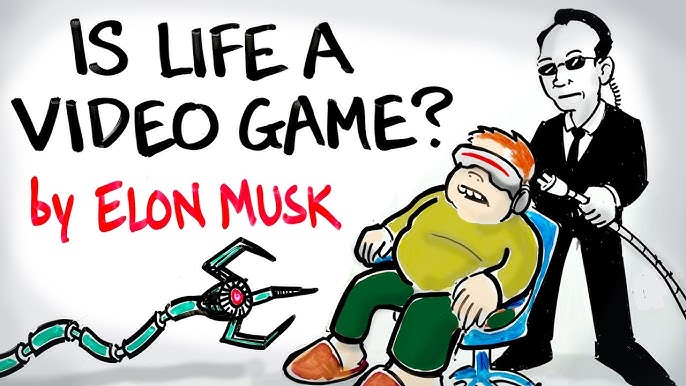
54. Musk, E., Is Life a Video Game? Code Conference, June 2, 2016.
55. Bostrom, N., The simulation argument FAQ. 2012: Available at: https://www.simulationargument.com/faq.
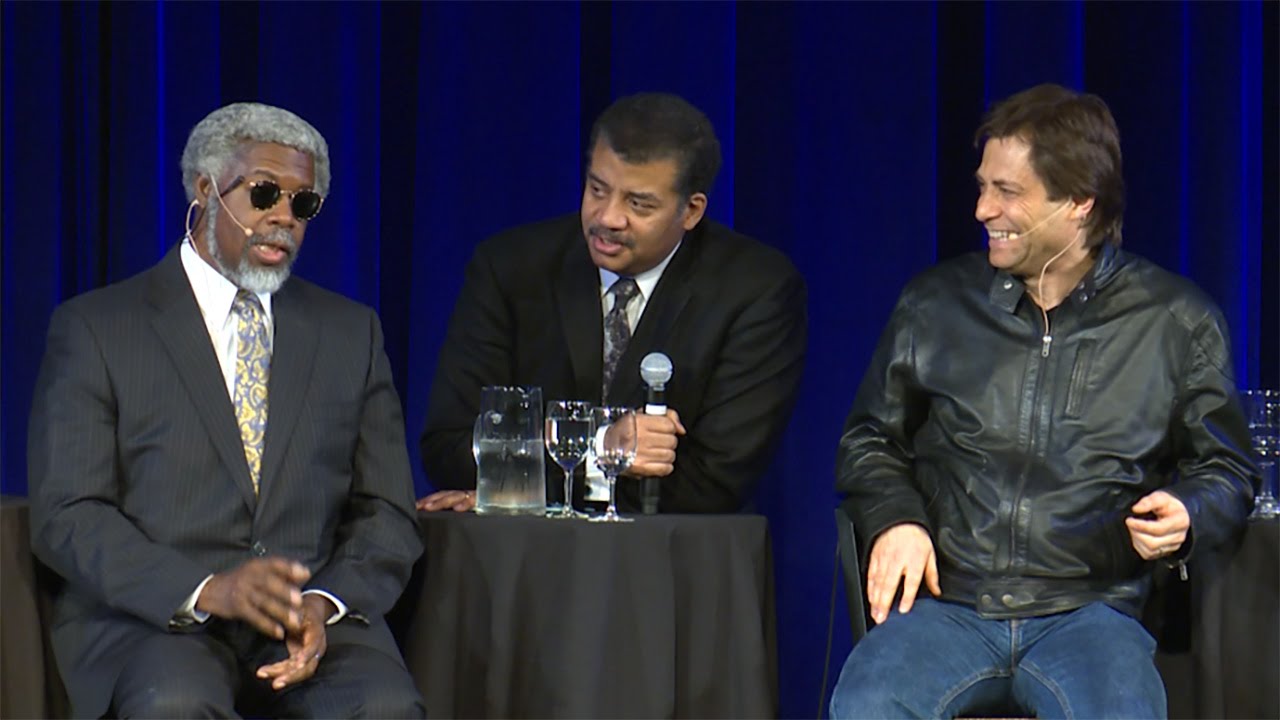
56. Tyson, N. deGrasse, Is the Universe a Simulation? 2016 Isaac Asimov Memorial Debate.
57. Kipping, D., A Bayesian Approach to the Simulation Argument. Universe, 2020. 6(8): p. 109.
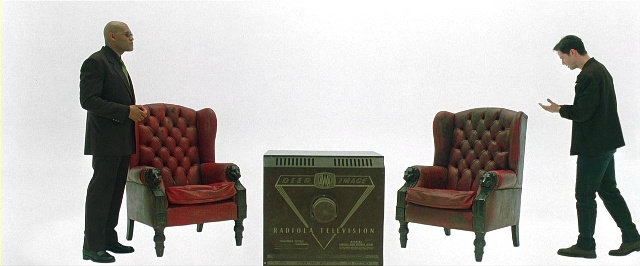
58. Chalmers, D.J., The Matrix as Metaphysics. In Science Fiction and Philosophy, 2016: p. 35–54.
59. Barrow, J.D., Living in a simulated universe, in Universe or Multiverse?, Cambridge University Press, 2007.
60. Brueckner, A., The simulation argument again. Analysis, 2008. 68(3): p. 224-226.
61. Steinhart, E., Theological implications of the simulation argument. Ars Disputandi, 2010. 10(1): p. 23-37.
62. Bostrom, N. and M. Kulczycki, A patch for the simulation argument. Analysis, 2011. 71(1): p. 54-61.
63. Johnson, D.K., Natural evil and the simulation hypothesis. Philo, 2011. 14(2): p. 161-175.
64. Birch, J., On the ‘simulation argument’ and selective scepticism. Erkenntnis, 2013. 78(1): p. 95-107.
65. Lewis, P.J., The doomsday argument and the simulation argument. Synthese, 2013. 190(18): p. 4009-4022.
66. Karpathy, A., How to Hack the Simulation. Lex Fridman Podcast, 2022.
67. Aaronson, S., If the world is a simulation, can we hack it? Lex Fridman Podcast, 2021.
68. McClure, E., How to Escape the Simulation. WikiHow, December 26, 2022.
69. Fagan, S., If Reality is a Computer Simulation—What Happens if I Hack It? The Ascent, 2019.
70. Turchin, A., Back to the Future: Curing Past Sufferings and S-Risks via Indexical Uncertainty.
71. Almond, P., Can you retroactively put yourself in a computer simulation? 2010.
72. Yampolskiy, R.V., Ultimate limits to computational techniques: verifier theory. Physica Scripta, 2017.
73. Friend, T., Sam Altman’s Manifest Destiny. The New Yorker, 2016.
74. Berman, R., Two Billionaires Are Financing an Escape from the Real Matrix. BigThink, 2016.
75. Statt, N., George Hotz wants to free humanity from the AI simulation. The Verge, 2019.
76. Hotz, G., Jailbreaking The Simulation. SXSW 2019.